WAPPA PADDLE BOARDS
  • Home
  • Our Bamboo SUPs
    • All Around
    • Wave
    • All Around / Wave
    • Touring
    • Wind SUP
  • Shop
  • Eco-Friendly
  • Bamboo Advantage
  • Technology
  • Wappa vs. Competition
  • Why Wappa?
  • 5 Year Warranty
  • Home
  • Our Bamboo SUPs
    • All Around
    • Wave
    • All Around / Wave
    • Touring
    • Wind SUP
  • Shop
  • Eco-Friendly
  • Bamboo Advantage
  • Technology
  • Wappa vs. Competition
  • Why Wappa?
  • 5 Year Warranty

The Best Paddle Board Blog

The Best Paddle Board Blog

Blog

Understanding the Differences: SUP vs. Kayak

1/30/2024


SUP vs Kayak: Understanding the Differences

Comparing SUP vs Kayak: Which is Right for You?

Water sports enthusiasts often find themselves weighing the merits of two popular vessels: the Stand Up Paddle board (SUP) and the kayak. Both offer unique ways to explore and enjoy water bodies, but they differ significantly in design, usage, and experience. This article aims to demystify these differences, helping adventurers choose the right vessel for their next aquatic journey.
 
DESIGN AND STRUCTURE: A CLOSER LOOK AT STAND UP PADDLE BOARDS (SUPS) VS. KAYAKS
When it comes to watercraft, the design and structure are pivotal in determining their performance, usability, and suitability for different water conditions. Let's delve deeper into the design elements of Stand Up Paddle boards (SUPs) and kayaks, highlighting their unique characteristics.
 
STAND UP PADDLE BOARDS (SUPS)
A Stand Up Paddle board is essentially a broad, buoyant board on which the rider stands upright. It's akin to a surfboard but generally larger and more stable. SUPs are propelled using a long paddle while the rider maintains a standing position.
 
Overall Shape: SUPs are generally longer and wider than surfboards, which aids in stability. The shape can vary — from wider boards for beginners and stability-focused activities to narrower ones for racing and speed.
 
Hull Types: The two primary hull types are planing and displacement. Planing hulls are flat and wide, ideal for leisure paddling, yoga, and surfing. Displacement hulls have a pointed nose or bow, similar to a canoe, designed for speed and efficiency in slicing through water, making them great for touring or racing.
 
Construction Materials: SUPs are made from various materials, including fiberglass, bamboo, epoxy, carbon fiber, or foam cores wrapped in an outer shell. Inflatable SUPs use PVC exteriors with drop-stitch construction for rigidity when inflated.

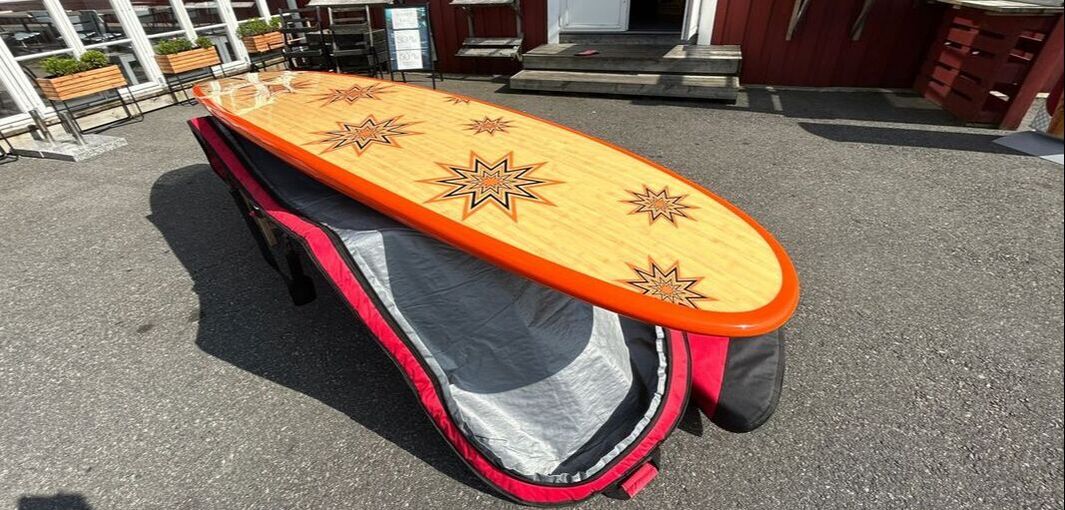
Wappa_Nova_bamboo_paddle_board
Wappa NOVA - a rigid SUP made from bamboo
KAYAKS
A kayak is a small, narrow boat traditionally designed for a seated position, with the legs extended forward. The rider uses a double-bladed paddle to propel and navigate. Kayaks come in various designs, including sit-on-top and sit-in models, each offering different levels of stability and protection from the water.
 
Hull Design: Kayak hulls come in various shapes, influencing stability and maneuverability. Flat hulls offer more stability, while rounded hulls provide faster movement and ease in turning. V-shaped hulls cut through water efficiently but can be less stable.
 
Sit-in vs. Sit-on-Top: Sit-in kayaks have an enclosed cockpit where the paddler sits with their legs under the deck, offering more protection from the water and elements. Sit-on-top kayaks have an open deck, easier for entry and exit, and are often used for recreational purposes.
 
Construction Materials: Traditional kayaks are made from wood or fiberglass, but most modern kayaks are plastic or composites like carbon fiber. Inflatable kayaks made from high-grade PVC are also popular for their portability.

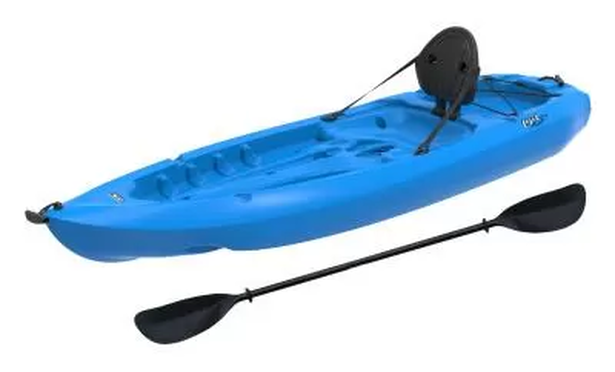
Picture
A Sit on Hull design made from plastic
LEARNING CURVE AND ACCESSIBILITY
Learning to balance on a SUP can be challenging for beginners, but most people can achieve a basic level of proficiency relatively quickly. It's an accessible sport for individuals of all ages and skill levels, including children.
Kayaking can be easier to pick up initially due to the seated position, which offers more stability. However, mastering techniques like rolling (recovering from capsizing) can be more complex. Kayaks are generally suitable for a wide range of ages, although very young children might find it challenging.
 
PHYSICAL ENGAGEMENT AND HEALTH BENEFITS
The physical engagement and health benefits of Stand Up Paddle Boarding (SUP) and kayaking are distinct, catering to different fitness goals and experiences. Let's explore these aspects in more detail.
 
STAND UP PADDLE BOARDING (SUP)
Full-Body Workout: SUP provides a comprehensive full-body workout. Standing on the board requires continuous core engagement to maintain balance. This constant core activation strengthens the abdominal muscles, lower back, and stabilizing muscles throughout the torso.
 
Legs and Lower Body: Unlike sitting in a kayak, SUP engages the leg muscles extensively. Maintaining balance and stability on a moving board involves constant, subtle leg adjustments, working the quads, hamstrings, calves, and glutes.
 
Upper Body and Arms: Paddling on a SUP involves the shoulders, arms, chest, and back. Each stroke engages these muscle groups, providing a thorough upper body workout. The paddling motion also enhances joint mobility, particularly in the shoulders.
 
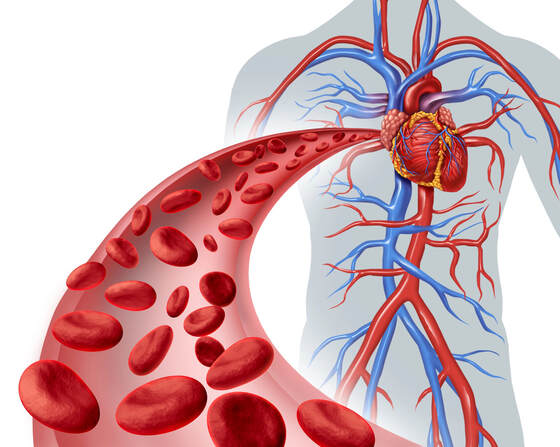
Cardiovascular Fitness: SUP can be a significant cardiovascular workout, especially when paddling at a brisk pace or over longer distances. It helps improve heart health, endurance, and stamina.
 
Balance and Coordination: Regularly practicing SUP enhances balance and coordination. This is not only beneficial for athletic performance but also for daily activities, particularly as one ages.

cardiovascular_system
KAYAKING
Upper Body Emphasis: Kayaking primarily targets the upper body, including the shoulders, arms, back, and chest. The repetitive paddling motion builds muscular endurance and strength in these areas.
 
Core Engagement: While kayaking might seem to be all about the arms, it also significantly engages the core muscles. Proper kayaking technique involves rotating the torso with each stroke, which strengthens the core and improves rotational flexibility.
 
Lower Body Involvement: Even though kayaking is a seated activity, the lower body is still engaged. The legs and feet are used for bracing against the kayak, which helps in controlling the vessel and aids in power generation during paddling.
 
Cardiovascular Health: Like SUP, kayaking is an excellent cardiovascular exercise, especially when paddling over long distances or against strong currents. It increases heart rate and boosts cardiovascular health.
 
Low-Impact Exercise: Kayaking is a low-impact activity, making it suitable for people with joint issues or those recovering from injuries. It strengthens muscles and joints without the stress that comes from high-impact sports.
 
Both SUP and kayaking offer unique and substantial physical and mental health benefits. SUP stands out for its full-body engagement and balance training, while kayaking offers a focused upper body workout with significant core involvement. Both sports offer cardiovascular benefits and have positive effects on mental well-being, making them excellent choices for those looking to combine fitness with the enjoyment of nature.
 
PORTABILITY AND STORAGE
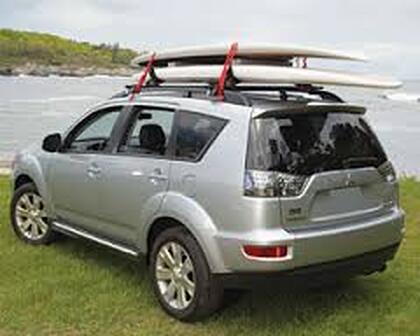
Many SUPs are inflatable, making them highly portable and easy to store. Even rigid boards can be easily transported on the roof of a car, though they require more storage space.

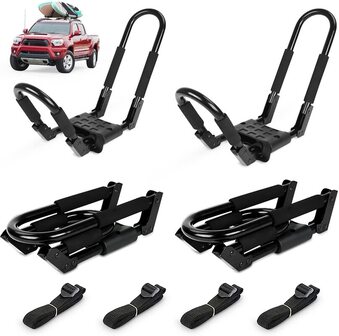
Kayaks can be more challenging to transport and store due to their size and shape. Inflatable kayaks offer a portable solution, but traditional models need a roof rack for transportation and significant storage space.
 
SUP_on_truck
2 straps and you're good to go!
kayak_rack
More equipment is needed for kayaks
COMPARING SUPS AND KAYAKS
Design and Structure
SUPs are akin to oversized surfboards, designed for standing. They come in various shapes, with wider boards offering more stability. Inflatable SUPs add a level of portability and storage convenience.
 
Kayaks are narrow and come in sit-in or sit-on-top designs. They are better suited for rough waters and longer distances due to their streamlined shape and enclosed design, offering more protection against elements.
 
Learning Curve and Accessibility
SUPs have a steeper initial learning curve mainly due to the challenge of balancing while standing. However, the basic proficiency can be quickly achieved.
 
Kayaks are easier to start with, given the stability of a seated position. Mastering advanced techniques in kayaking, like rolling, can be more complex.
 
Physical Engagement and Health Benefits
SUPs offer a full-body workout, engaging everything from the legs for balance to the arms and core for paddling. They are excellent for improving overall strength, balance, and cardiovascular health.
 
Kayaks focus more on the upper body and core, with the lower body playing a supportive role. They provide a substantial cardiovascular workout and are ideal for building upper body strength.
 
Portability and Storage
SUPs, particularly the inflatable kind, are more portable and easier to store. Even rigid SUPs can be transported on a vehicle roof with relative ease.
 
Kayaks tend to be bulkier and require more space for storage and transportation, though inflatable models mitigate this issue.
SUPs and kayaks cater to different preferences and experiences. SUPs offer an engaging full-body workout and a unique perspective from a standing position, ideal for both calm waters and surf. Kayaks, on the other hand, are suited for a variety of water conditions, focusing more on upper body strength and offering more speed and efficiency for longer journeys. The choice between a SUP and a kayak ultimately depends on individual preferences, fitness goals, and the type of water adventure one seeks.

In the diverse world of water sports, the choice between a Stand Up Paddle Board (SUP) and a kayak hinges on personal preferences, desired physical engagement, and the nature of your aquatic adventures. SUPs shine in their ability to offer a holistic, full-body workout coupled with the unique experience of standing on water, making them ideal for those seeking a blend of fitness, leisure, and a serene connection with nature. Kayaks, with their diverse designs and efficient movement, appeal to those looking for versatility, speed, and the ability to navigate a wider range of water conditions, from tranquil lakes to challenging rapids. Whether you're drawn to a SUP or a kayak, each vessel promises a unique path to waterborne adventures, fitness, and the joy of exploring the natural world from a fresh, exhilarating perspective.

Now, get on the water and have some fun!

Comments are closed.

have a question?  1-844-go-wappa (469-2772) 

Company

10 year celebration deal
about
warranty
return policy
terms of service
privacy policy
all prices USD

shipping

shipping
tracking
receiving

CANADIAN SHOPPERS

Canadian money at par

resources

board performance explained
board care & maintenance
blog
testimonials
FAQ
military discount
the best family SUP
paddle boards for women
cheap paddle board alternative
wholesale paddle boards

RETAILERs / DISTRIBUTORS

become a retailer
find a retailer
become a distributor

Contact            

[email protected]
toll free: 1-844-469-2772
contact

AMBASSADOR PROGRAM

become a Wappa ambassador
terms and conditions

CUSTOM PROGRAM

overview
for organizations
for individuals
get a quote
order a custom SUP

OUR MISSION

Our mission is to provide our customers with the world's best bamboo stand up paddle boards, build them as  environmentally friendly as possible, and in doing so, exceed their expectations for service, quality and value.

ECOLOGICAL STATEMENT

We will decrease our environmental footprint by using renewable energy in our factory. We utilize sustainable materials when building our products and eco friendly construction techniques to reduce the amount of material required to make them. We will continually work towards recycling 100% of our factory waste. ​
Picture

ENVIRONMENTAL ORGANIZATIONS wappa SUPPORTs

Picture
Picture