WAPPA PADDLE BOARDS
  • Home
  • Our Bamboo SUPs
    • All Around
    • Wave
    • All Around / Wave
    • Touring
    • Wind SUP
  • Shop
  • Eco-Friendly
  • Bamboo Advantage
  • Technology
  • Wappa vs. Competition
  • Why Wappa?
  • 5 Year Warranty
  • Home
  • Our Bamboo SUPs
    • All Around
    • Wave
    • All Around / Wave
    • Touring
    • Wind SUP
  • Shop
  • Eco-Friendly
  • Bamboo Advantage
  • Technology
  • Wappa vs. Competition
  • Why Wappa?
  • 5 Year Warranty

The Best Paddle Board Blog

The Best Paddle Board Blog

Blog

Exploring the Best Materials for Paddle Boards

11/6/2023


Exploring the Best Materials for Paddle Boards

Paddle boarding, a sport that seamlessly blends tranquility and physical exertion, has surged in popularity across the world's waterways. At the core of this sport is paddle board technology, which has evolved significantly, leading to a variety of materials used in board construction. While the choice of material significantly affects performance, durability, and price, enthusiasts often debate over the best material for a hard paddle board.
 
 THE PREEMINENCE OF HARD PADDLE BOARDS
 
Before delving into materials, it’s important to understand why hard paddle boards are often preferred by many enthusiasts. Hard boards, also known as rigid or solid paddle boards, are renowned for their performance. They offer superior glide, stability, and responsiveness in a variety of water conditions compared to inflatable boards. The rigidity of hard paddle boards allows for better maneuverability, making them the go-to for those interested in paddle board racing, surfing, and long-distance touring. Moreover, they possess a level of durability that inflatable boards struggle to match.
 
When analyzing the best materials for hard paddle boards, it’s essential to consider a range of options that cater to different priorities such as durability, weight, cost, and performance. Here's an overview of various material hard paddle boards can be made from.
 
 CARBON FIBER
 
At the pinnacle of high-performance paddle boards is carbon fiber. This material is synonymous with cutting-edge paddle board technology. Carbon fiber paddle boards are incredibly lightweight and stiff, granting athletes the ultimate in efficiency and speed. They tend to be the preferred choice for professional paddle boarders and those who prioritize performance above all else. The strength of carbon fiber boards means they can take a beating and still maintain their structural integrity, though they often come at a higher price point. For those looking to make no compromises in speed and handling, carbon fiber is the unequivocal choice.
 
 BAMBOO
Bamboo isn’t just an aesthetically pleasing material; it’s a feat of natural engineering with technical attributes that make it ideal for paddle board construction. In the technical realm, bamboo excels due to its fibrous structure and tensile strength, which rivals that of many steels. When transformed into a laminate for paddle boards, bamboo provides a high strength-to-weight ratio that is hard to match with synthetic materials.

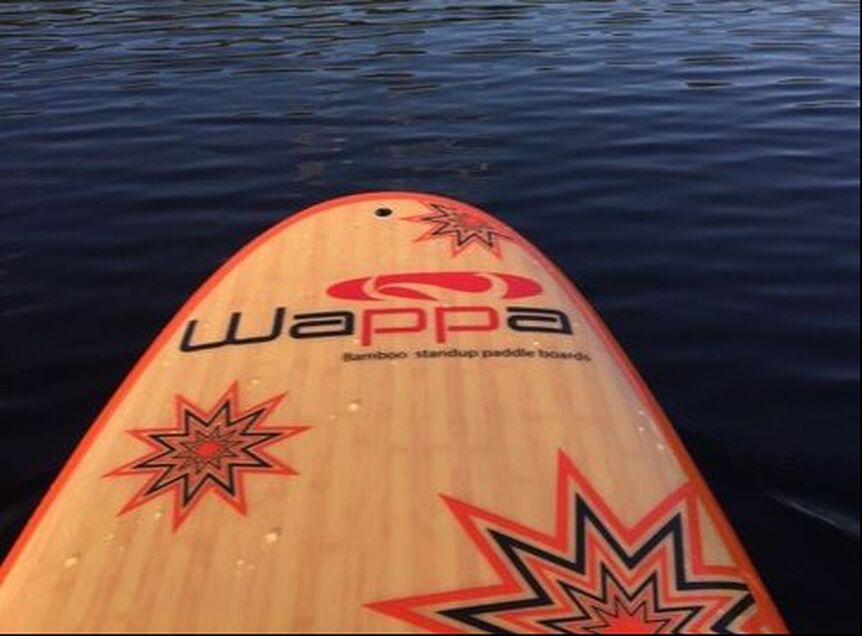
Wappa_Nova_on_the_water
The natural beauty of real bamboo
This grass species possesses a unique cellular composition, with longer fibers running the length of the stalk, providing natural flexibility and resilience. When laminated, these fibers reinforce the board, distributing weight and stress evenly across the surface. This means that when a paddle board flexes under the paddler’s weight or against a wave, the bamboo veneer acts as a reactive layer, springing back to its original shape without permanent deformation.
 
Bamboo's environmental technicality lies in its rapid growth cycle and carbon sequestration capabilities. As one of the fastest-growing plants on Earth, it matures within three to five years and can be harvested repeatedly from the same stalk, providing a continually renewable resource. Its growth process also contributes to carbon dioxide absorption, a key element in ecological sustainability.
 
COMPOSITES AND HYBRIDS
 
Composite boards like Wappa are made from a combination of materials, like a foam core with layers of fiberglass, carbon fiber, bamboo, and sometimes even textiles like Kevlar. These materials can be combined to optimize for weight, strength, rigidity, and cost. Hybrids will often use less expensive materials like fiberglass with a touch of carbon fiber to give a balance of performance and affordability.
 
 
 FIBERGLASS
 
Fiberglass is one of the most common materials for paddle boards due to its balance between weight and performance. Fiberglass paddle boards are typically constructed with a foam core that's wrapped in fiberglass cloth and resin, resulting in a board that's stiffer and more durable than most inflatables. While heavier than carbon fiber, they are generally lighter than those made purely from plastics or wood, and they offer a more affordable price point.
 
 
 WOOD
 
Apart from bamboo, other wood types like cedar can be used in paddle board construction. Wooden paddle boards are not only beautiful but also offer a unique flex pattern that can enhance the ride. They are often heavier and require more maintenance to protect the wood from the elements, but they stand out for their craftsmanship and classic aesthetic.
 
 EPOXY
 
Epoxy boards are similar to fiberglass boards but usually refer specifically to the resin system used. Epoxy is often favored over traditional polyester resins for its superior strength and lighter weight. Epoxy resin can be used with both fiberglass, bamboo and carbon fiber, resulting in a board that is strong and has excellent performance characteristics.
 
PLASTIC AND FOAM
 
Plastic paddle boards, often made from high-density polyethylene (HDPE), provide a very durable and budget-friendly option. They are almost indestructible, making them suitable for beginners, rental fleets, and paddle board schools. Many plastic boards have a foam core, which helps reduce weight, though they are still generally heavier than other materials.

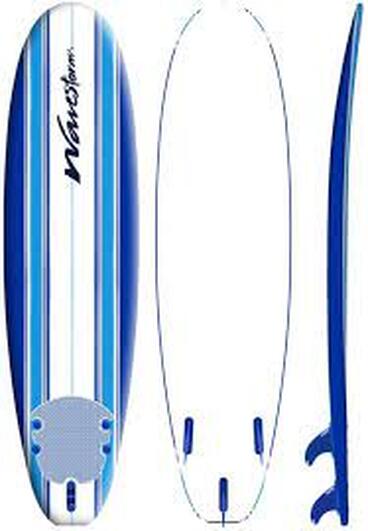
foam_paddle_board
A Great Example of the Typically Cheap Foam Paddle Board
RANKING PADDLE BOARD MATERIALS

Ranking the materials used for paddle boards from best to worst is complex because the "best" material can vary widely depending on the criteria used. For the purpose of this ranking, I'll use a combination of parameters that include performance, durability, weight, cost, environmental impact, and versatility. It’s important to note that these rankings are generalized; the best material for an individual will depend on their specific needs and priorities.
 
 PERFORMANCE (SPEED, GLIDE, RESPONSIVENESS)
1. Carbon Fiber: Offers the best performance due to its light weight and rigidity.
2. Epoxy with Carbon Fiber (Composite): Provides excellent performance, slightly less than pure carbon fiber due to additional materials.
3. Bamboo (Composite): Good performance with a balance between weight and stiffness, with added aesthetic value.
4. Fiberglass (Composite): Decent performance and weight.
5. Wood (Other Types): Varied performance, can be good but generally not as efficient as synthetic materials.
6. Plastic and Foam: Typically, the heaviest and slowest, primarily for beginners or rental markets.
 
 
 DURABILITY (RESISTANCE TO DAMAGE, LONGEVITY)
1. Plastic and Foam: Extremely durable, often nearly indestructible.
2. Carbon Fiber: Very durable but can be costly to repair if damaged.
3. Bamboo: Durable with one of the best strength to weight ratios among natural fibers.
4. Fiberglass: Good durability and easier to repair than carbon fiber.
5. Epoxy with Carbon Fiber (Composite): Similar to fiberglass but with varying durability based on composite materials.
6. Wood: Durability varies with type and treatment but generally requires maintenance.
 
 WEIGHT (EASE OF TRANSPORT AND HANDLING)
1. Carbon Fiber: Lightest material, easiest to handle.
2. Epoxy with Carbon Fiber (Composite): Still lightweight, slightly heavier due to other materials.
3. Bamboo: Lighter than fiberglass because less epoxy is used to obtain better strength and stiffness.
4. Fiberglass: Lighter than wood but heavier than carbon fiber and some composites.
5. Wood: Can be heavy depending on the type and construction.
6. Plastic and Foam: Generally, the heaviest option.

Man_Carries_Wappa_Olas_SUP
Carrying a 36" wide bamboo Wappa Olas is lightweight and easy.
COST (AFFORDABILITY)
1. Plastic and Foam: Typically, the most affordable.
2. Bamboo: More affordable than high-end materials but more costly than basic plastic.
3. Fiberglass: Mid-range cost, a good balance of cost and performance.
4. Wood: Can be expensive due to craftsmanship and material quality.
5. Epoxy with Carbon Fiber (Composite): Higher cost, but composites can be less expensive than pure carbon fiber.
6. Carbon Fiber: Highest performance but also the highest cost.
 
 ENVIRONMENTAL IMPACT (SUSTAINABILITY)
1. Bamboo: Highly sustainable and eco-friendly.
2. Wood: Renewable but with a higher environmental impact than bamboo.
3. Fiberglass: Less environmentally friendly, requires more energy to produce than bamboo or wood.
4. Epoxy with Carbon Fiber (Composite): Depends on the composite materials, but generally similar to fiberglass.
5. Plastic and Foam: Not biodegradable, but durability may mean less frequent replacement.
6. Carbon Fiber: High energy use in production and not biodegradable.
 
 VERSATILITY (SUITABILITY FOR DIFFERENT ACTIVITIES)
1. Bamboo: Offers a balance of performance and aesthetic, versatile for different styles.
2. Fiberglass: Good all-rounder material suitable for various activities.
3. Epoxy with Carbon Fiber (Composite): Versatile depending on the composite design.
4. Carbon Fiber: Best for performance activities like racing and touring.
5. Plastic and Foam: Great for beginners and rental markets, not for performance activities.
6. Wood: Aesthetic and traditional use but less versatile for performance.
 
Given these parameters, carbon fiber ranks highest for performance-oriented paddlers who prioritize speed and handling. For those seeking durability, cost-effectiveness and environmental impact then bamboo is the clear winner. Therefore, this ranking is not absolute; it's a starting point for paddlers to consider which factors are most important for their personal paddle boarding experience.
 
In choosing the right material for a paddle board, one must consider not only the material’s performance characteristics but also the environmental impact, the board's intended use, the paddler’s skill level, and of course, the price. Bamboo boards strike a balance between eco-consciousness, durability, and performance, making them a popular choice for a wide range of paddle boarders. Carbon fiber, however, stands out as the elite material for those seeking the pinnacle of performance and efficiency, albeit with a higher price tag.

Comments are closed.

have a question?  1-844-go-wappa (469-2772) 

Company

10 year celebration deal
about
warranty
return policy
terms of service
privacy policy
all prices USD

shipping

shipping
tracking
receiving

CANADIAN SHOPPERS

Canadian money at par

resources

board performance explained
board care & maintenance
blog
testimonials
FAQ
military discount
the best family SUP
paddle boards for women
cheap paddle board alternative
wholesale paddle boards

RETAILERs / DISTRIBUTORS

become a retailer
find a retailer
become a distributor

Contact            

[email protected]
toll free: 1-844-469-2772
contact

AMBASSADOR PROGRAM

become a Wappa ambassador
terms and conditions

CUSTOM PROGRAM

overview
for organizations
for individuals
get a quote
order a custom SUP

OUR MISSION

Our mission is to provide our customers with the world's best bamboo stand up paddle boards, build them as  environmentally friendly as possible, and in doing so, exceed their expectations for service, quality and value.

ECOLOGICAL STATEMENT

We will decrease our environmental footprint by using renewable energy in our factory. We utilize sustainable materials when building our products and eco friendly construction techniques to reduce the amount of material required to make them. We will continually work towards recycling 100% of our factory waste. ​
Picture

ENVIRONMENTAL ORGANIZATIONS wappa SUPPORTs

Picture
Picture